
2026-10-10 · David Ramirez
How to Identify Cockroach Species Common in Waxahachie Homes
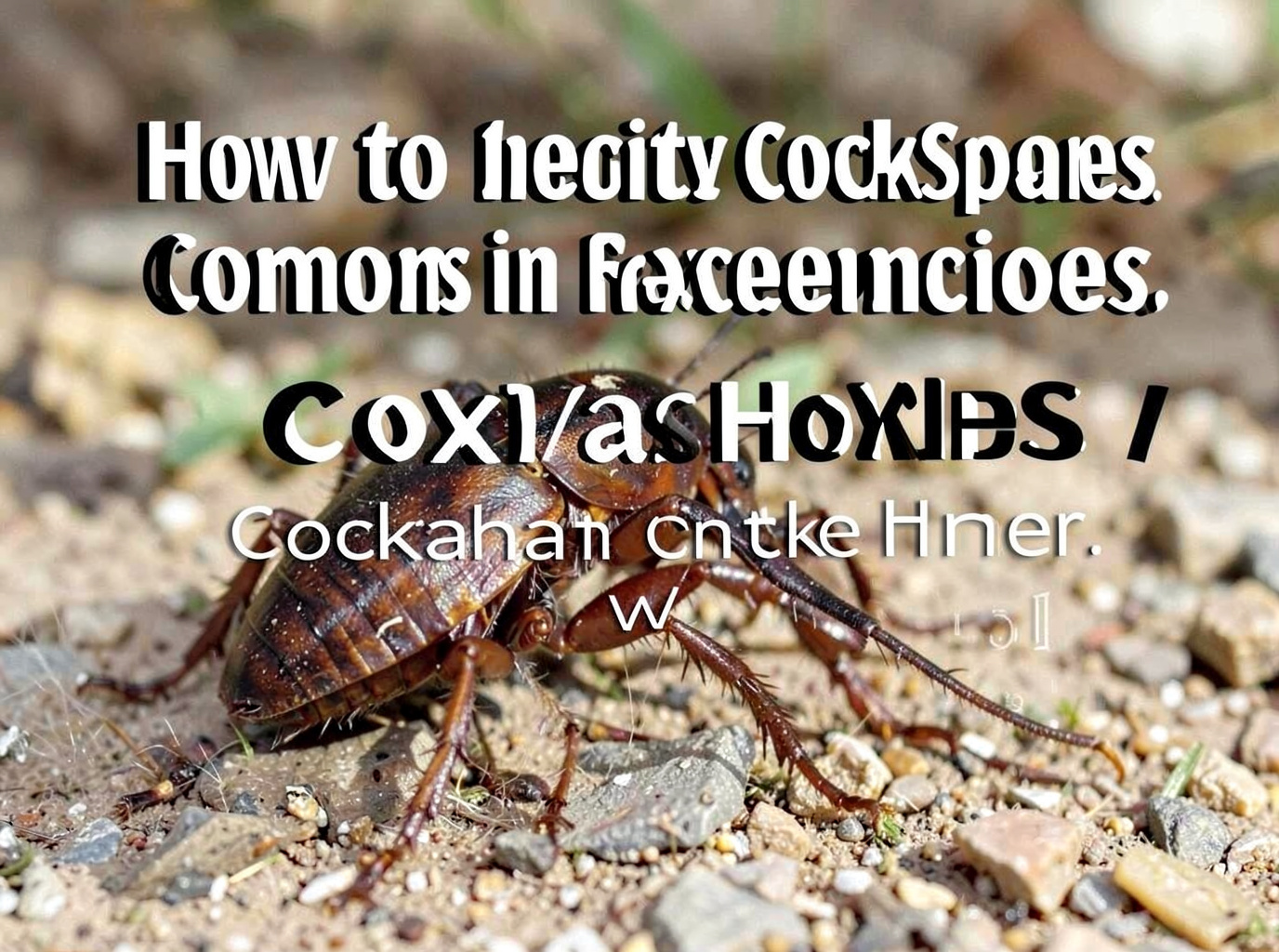
To effectively identify cockroach species common in Waxahachie homes, focus on key physical characteristics like size, color, and markings, as well as their preferred habitats and behaviors. The most frequently encountered species in our area are the German cockroach, American cockroach, and less commonly, the Oriental cockroach. German cockroaches are small, typically 1/2 to 5/8 inch long, light brown with two dark stripes behind their head, and often found in kitchens and bathrooms. American cockroaches are much larger, 1 1/2 to 2 inches long, reddish-brown, and favor warm, damp areas like basements and sewers, often entering homes from outdoors, especially during our hot Waxahachie summers. Oriental cockroaches, about 1 inch long and dark brown to black, are drawn to cooler, damp environments like crawl spaces and drains, and are less agile climbers than their counterparts. Understanding these distinctions is vital for targeting the right control methods.
Understanding the German Cockroach in Waxahachie
The German cockroach is perhaps the most notorious household pest in Waxahachie, known for its rapid reproduction rate and ability to hide in tiny crevices. These roaches are small, generally measuring 1/2 to 5/8 inch in length, with a light brown or tan body. Their most distinctive feature is the presence of two parallel dark stripes running down their pronotum (the shield-like segment behind their head). You'll typically find them in areas with food, moisture, and warmth, making kitchens and bathrooms prime targets. In Waxahachie homes, particularly in older residences in Historic Downtown or Northside, we often find them congregating near sinks, dishwashers, refrigerators, and inside cabinets. Their small size allows them to easily slip through cracks in walls and foundations, which can be prevalent in some of the area's more mature housing stock. They are primarily nocturnal, so seeing them during the day often indicates a significant infestation. For more targeted information on dealing with these specific pests, consider our specialized service for German Cockroach Extermination.
Identifying the American Cockroach: The "Palmetto Bug"
The American cockroach, often referred to as a "palmetto bug" in the southern United States, is the largest species of common cockroach found in Waxahachie, reaching lengths of 1 1/2 to 2 inches. They are easily recognized by their reddish-brown color and a yellowish figure-eight pattern on the back of their head. Unlike German cockroaches, American cockroaches prefer warmer, more humid environments, often living outdoors in sewers, drains, and beneath mulch. Our hot Waxahachie summers and frequent spring storms can drive them indoors seeking shelter and moisture. They are strong flyers, and it's not uncommon to see them flying into homes, especially around the Getzendaner Park area where there's more greenery and outdoor moisture sources. Inside, they typically inhabit basements, crawl spaces, and utility rooms. While they can infest kitchens, they are usually found closer to plumbing and entry points from the exterior. Their presence often indicates an issue with external harborage or entry points into the structure.
Spotting the Oriental Cockroach: The "Water Bug"
The Oriental cockroach is another species you might encounter in Waxahachie, though less frequently than the German or American varieties. These roaches are distinctively dark brown to black in color and measure about 1 inch in length. They have a glossy appearance and are often called "water bugs" due to their strong preference for damp, cool, and dark places. You'll typically find them in basements, crawl spaces, floor drains, and under sinks, particularly in areas of South Waxahachie where properties might have older plumbing or damp foundations. Unlike American cockroaches, Oriental cockroaches are not strong climbers and generally stick to ground level. The females have very short, underdeveloped wings, while the males have wings that cover about 75% of their abdomen but are still incapable of flight. Their slower movement and preference for cooler, less disturbed areas make them somewhat easier to differentiate from the faster, more agile German and American species. If you're seeing signs of any cockroach, a professional Cockroach Inspection and Treatment can pinpoint the species and source.
Key Differences and Behavioral Clues for Identification
Beyond physical appearance, understanding the behavioral patterns of these cockroaches can significantly aid in their identification. German cockroaches are highly social and reproduce rapidly, meaning a small sighting can quickly escalate into a large infestation. They are often found in tight clusters in cracks and crevices, and their droppings resemble coffee grounds or black pepper. Their egg casings (oothecae) are small, light brown, and often carried by the female until just before hatching. American cockroaches are more solitary but can be found in large numbers if conditions are favorable. Their droppings are larger, cylindrical, and blunt-ended. Their oothecae are dark reddish-brown, about 8 mm long, and often glued to surfaces in hidden locations. Oriental cockroaches are less active and slower-moving. Their droppings are similar to American cockroaches but often found in cooler, damp areas. Their oothecae are dark brown to black, about 8-10 mm long, and also typically glued to surfaces. Observing where you find them, their size, and their movement patterns are critical clues.
Why Accurate Identification Matters for Waxahachie Homes
Accurate identification isn't just an academic exercise; it's fundamental to effective cockroach control in Ellis County. Each species has different vulnerabilities and habits that dictate the most successful treatment strategy. For instance, German cockroaches require intensive indoor baiting and crack-and-crevice treatments due to their indoor-centric life cycle and rapid reproduction. American and Oriental cockroaches, often originating outdoors, might necessitate exterior perimeter treatments, sealing entry points, and addressing moisture issues in basements or crawl spaces. Applying the wrong treatment can be ineffective, waste time and money, and allow the infestation to worsen. Our local climate, with its hot summers and frequent spring storms, often drives these pests indoors, making proactive identification and intervention even more critical. For insights into preventing future issues, read our article on Cockroach Prevention Steps for Waxahachie Homes During Hot Summers.